Climate Imaginaries: Gathering #3
Stories to sleep to – with Mayomi Basnayaka hosting Paulina Martínez Marín
THURSDAY 3rd DECEMBER, 18:00-20:00 in the garden above the school, Academy for Theater and Dance, Amsterdam, Jodenbreestraat 3
Event details from: Climate Imaginaries: Gathering #3
- Date
- 3 December 2026
- Time
- 18:00 – 20:00
Gathering #3, 03.12: Stories to sleep to – with Mayomi Basnayaka hosting Paulina Martínez Marín
THURSDAY 3rd DECEMBER, 18:00-20:00.
the garden above the school,
Academy for Theater and Dance, Amsterdam,
Jodenbreestraat 3
The wonderful artist Mayomi Basnayaka will return to the garden above the school with her project Stories to sleep to, to guide us and the garden into winter hibernation. We wonder: what kind of lullaby would a garden need to transition into wintertime?
Stories to Sleep to is an ongoing performance series where artists of color, whose practices resonate with the decolonial theory of slowness, use narrative and sonic works to invite rest. Through the age-old form of the bedtime story, they share folklore, personal mythologies, and dreamlike fictions rooted in their cultural and artistic practices. Born from a longing for more restful, comfortable ways to share narratives, the series reimagines storytelling as a collective descent into dreaming.
For this session Mayomi invites Paulina Martínez Marín to tell her tale, The Museum of Secrets. A collection of stories made by the children in Chanco, a rural town in central Chile. Should a secret be kept or told? The children of Chanco, and the mailman of the Museum of Secrets: Paulina, brings their stories to adults everywhere, to put them to sleep.
After the performance, we will share some soup and bread.
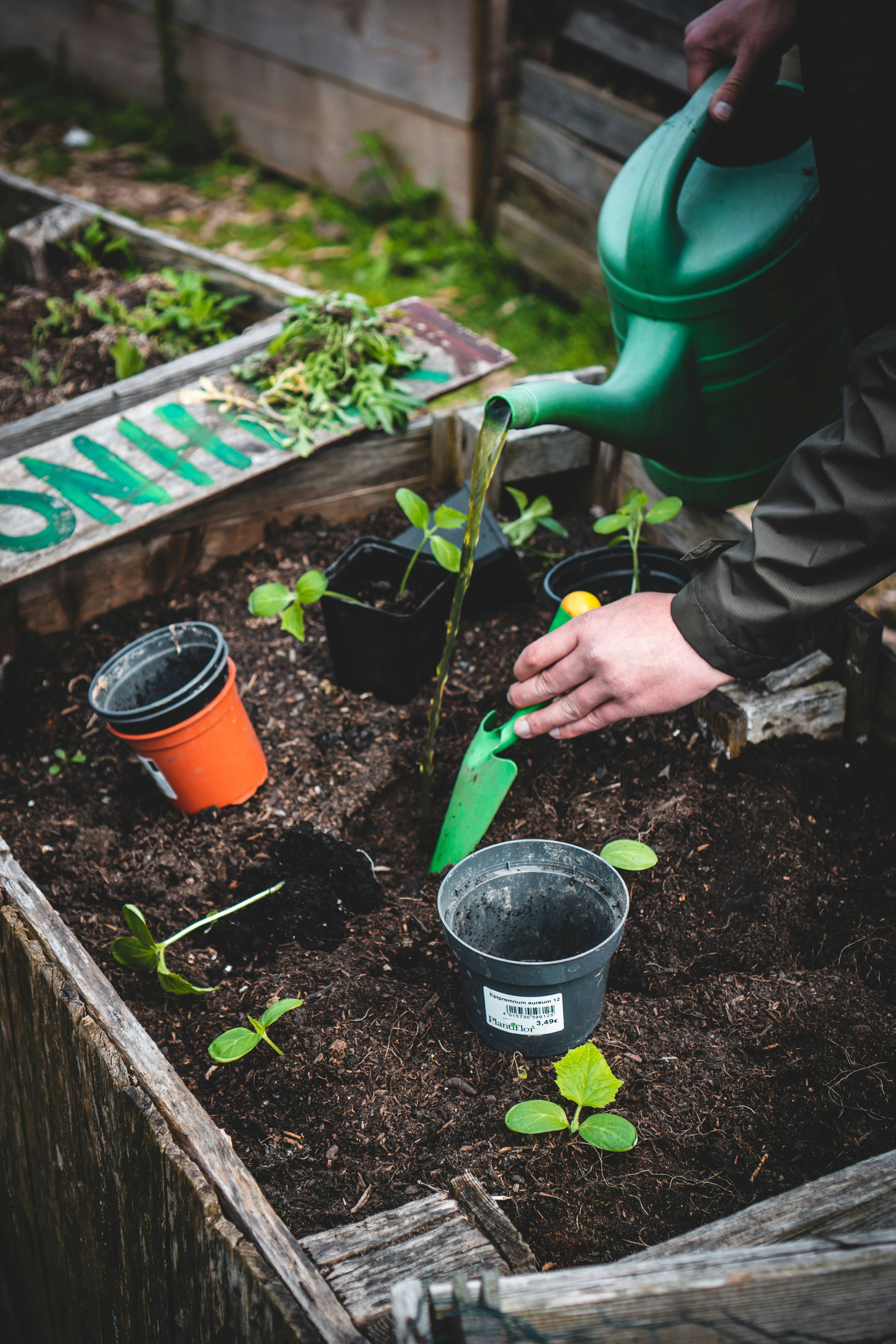
Questions of slowness and adjacent temporalities come up time and time again in the garden above the school. The temporality of the garden and its more than human community plays out at a much slower pace than the rush of school life: the slow unfurling of leaves, the expansion of a rhizomatic network, the ripening of fruit in fall. It offers not just a break to the students and others, but a different rhythm altogether: the persistent slow motion growth of plants functions as a reminder that there need be no rush, that the busyness of the institution is not the only rhythm available. As the rooftop is a place people come to for short breaks, the plants gently invite them to linger a little in a different temporality. As Mac Griswold puts it: “Gardening has been called the slowest of the performing arts” (National Gallery of Art Archives Washington 1988) and as such, it grows time, like it grows strawberries and sage.
In a world where rest is often solitary, privatized, or inaccessible, in this event we position the garden as a space for communal rest, where softness, quiet, and dreaming become shared practices. Welcoming overworked and under-rested bodies, participants are invited to snore, dream, or simply lie down and rest through the performance. Here, performance is not something to stay alert for, but something to soften into, napping through the dominant expectations of presence, attention, and productivity.
The performance is both an offering and an invitation: to slow down, listen differently, and dream in the company of others. After the session, a meal with ingredients from the garden above the school invites into conviviality and soft chatter, slipping into hibernation season together.